본문 바로가기
건강

혈압약 평생 먹어야 할까? 끊어도 되는 경우와 절대 끊으면 안 되는 경우 총정리

by 하늘별 2026. 7. 24.


건강검진에서 혈압이 높다는 이야기를 듣고 처음 혈압약을 처방받으면 가장 많이 하는 질문이 있습니다. 


"한 번 먹기 시작하면 평생 먹어야 하나요?" 


인터넷에는 "혈압약은 독이다", "운동하면 바로 끊을 수 있다", "약을 오래 먹으면 신장이 나빠진다" 같은 이야기도 많습니다. 하지만 이런 정보만 믿고 임의로 약을 끊었다가 오히려 혈압이 급격히 상승해 응급실을 찾는 사례도 적지 않습니다.


결론부터 말하면 혈압약을 평생 복용해야 하는 사람이 있는 반면, 생활습관 개선으로 용량을 줄이거나 의료진과 상의 후 중단이 가능한 사람도 있습니다. 중요한 것은 스스로 판단하지 않고 의사와 함께 혈압 상태를 꾸준히 확인하는 것입니다.


이번 글에서는 혈압약을 오래 복용하는 이유와 약을 줄일 수 있는 경우, 절대 임의로 끊으면 안 되는 상황, 그리고 혈압 관리에 도움이 되는 생활습관까지 자세히 알아보겠습니다.

혈압약을 먹기 시작하면 정말 평생 먹어야 할까?
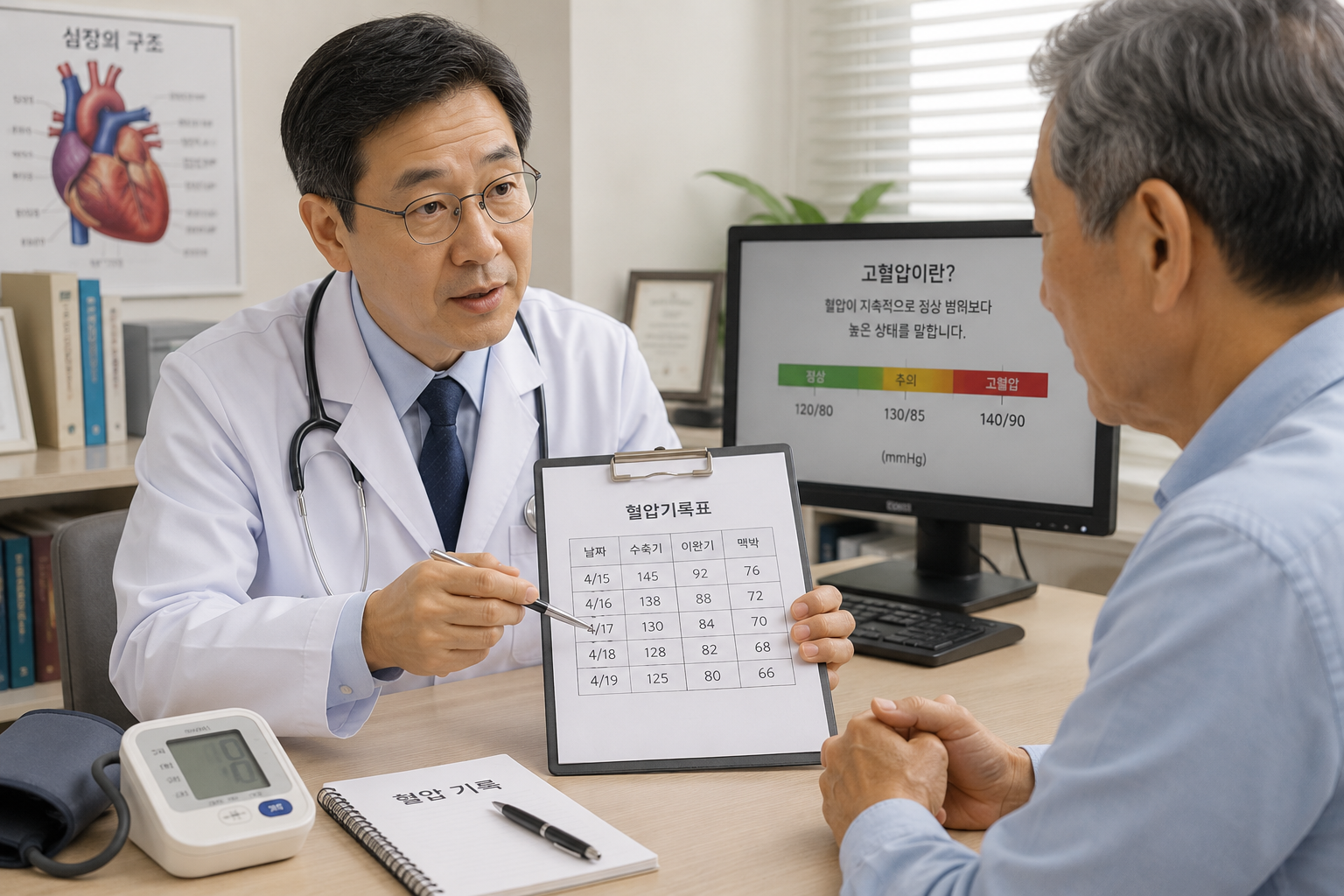
 

많은 사람들이 혈압약은 한 번 먹기 시작하면 평생 끊지 못한다고 생각합니다. 하지만 실제로는 사람마다 상황이 다릅니다.


고혈압은 대부분 완치보다는 꾸준히 관리하는 만성질환입니다. 약은 혈압을 정상 범위로 유지해 뇌와 심장, 신장 같은 중요한 장기를 보호하는 역할을 합니다.


혈압이 정상으로 유지되는 이유는 약이 효과를 내고 있기 때문일 수도 있습니다. 이를 모르고 "혈압이 정상이라 약을 끊어도 되겠다"고 판단하면 다시 혈압이 올라가는 경우가 흔합니다.

혈압약을 줄이거나 끊을 수 있는 경우


다음과 같은 경우에는 담당 의료진의 판단 아래 약을 감량하거나 중단하는 사례도 있습니다.

① 체중을 크게 감량한 경우

비만은 혈압을 높이는 주요 원인입니다.


체중이 10kg 이상 감소하거나 정상 체중에 가까워지면 혈압이 안정되면서 약 용량을 줄일 수 있는 경우가 있습니다.

② 꾸준한 운동을 실천한 경우

주 5회 이상 빠르게 걷기, 자전거 타기, 수영 같은 유산소 운동을 지속하면 혈압이 자연스럽게 낮아질 수 있습니다.


운동 효과는 보통 수개월 이상 꾸준히 실천했을 때 나타납니다.

③ 식습관이 크게 개선된 경우

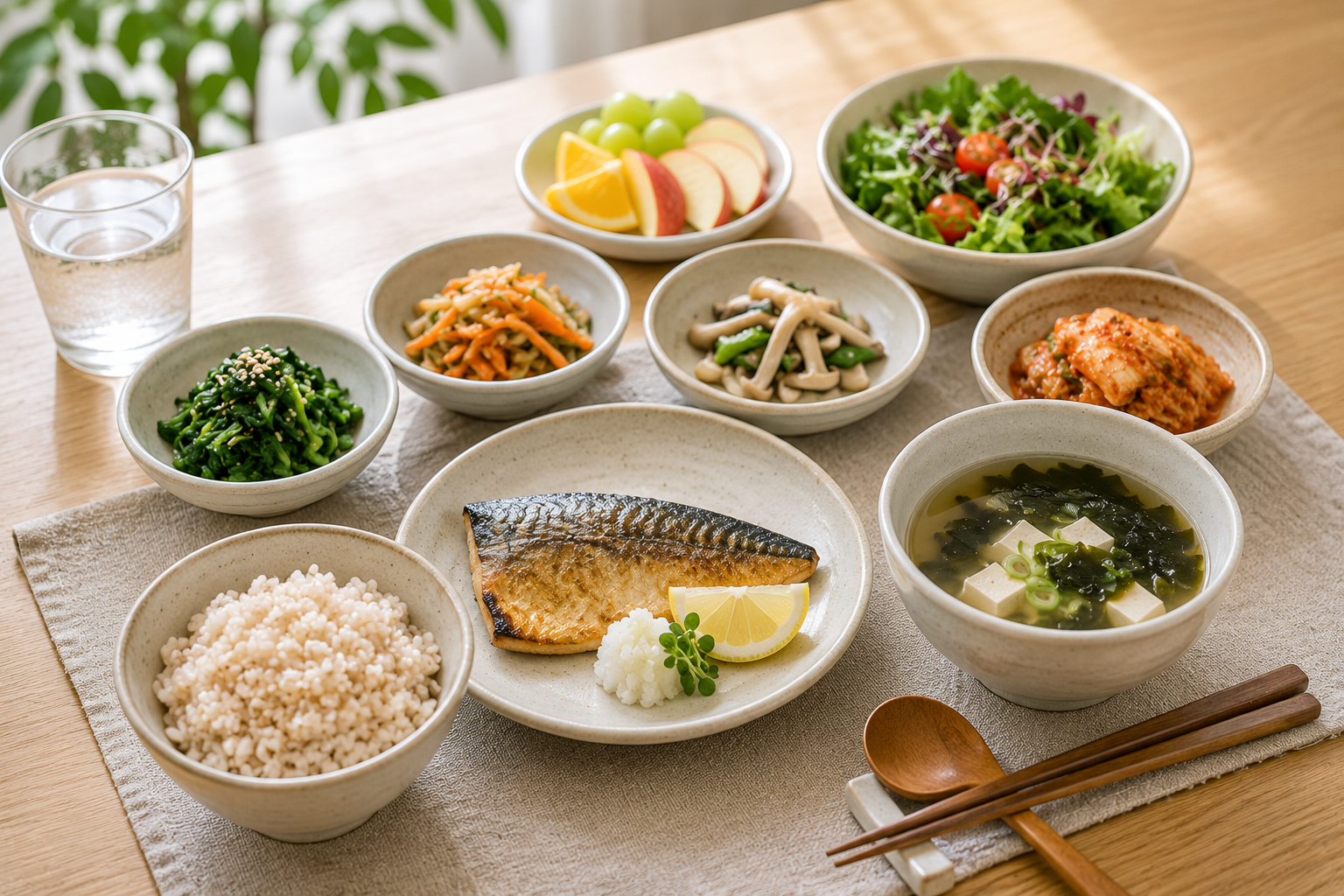
나트륨 섭취를 줄이고 채소와 과일, 통곡물, 생선 위주의 식사를 꾸준히 실천하면 혈압이 안정되는 데 도움이 됩니다.


특히 국물 음식, 젓갈, 가공식품, 인스턴트 식품 섭취를 줄이는 것이 중요합니다.

④ 음주와 흡연을 줄인 경우

과도한 음주는 혈압을 높이고 흡연은 혈관 건강을 악화시킵니다.


금연과 절주는 혈압 관리뿐 아니라 심혈관질환 위험을 줄이는 데도 도움이 됩니다.

절대 임의로 혈압약을 끊으면 안 되는 경우


다음과 같은 경우에는 반드시 의료진과 상담해야 하며, 스스로 약을 중단해서는 안 됩니다.

  • 혈압이 자주 140/90mmHg 이상으로 올라가는 경우
  • 심근경색이나 협심증 병력이 있는 경우
  • 뇌졸중을 경험한 적이 있는 경우
  • 당뇨병이나 만성콩팥병을 함께 앓고 있는 경우
  • 고령이거나 심혈관질환 위험이 높은 경우

약을 갑자기 중단하면 혈압이 급격히 상승하는 '반동성 혈압 상승'이 나타날 수 있으며, 심한 경우 뇌출혈이나 심장질환 위험이 높아질 수 있습니다.

혈압을 낮추는 생활습관 5가지

1. 싱겁게 먹기


하루 나트륨 섭취를 줄이는 것만으로도 혈압이 낮아질 수 있습니다.


국물은 남기고, 가공식품과 짠 반찬은 줄이는 것이 좋습니다.

2. 적정 체중 유지하기

체중이 줄어들면 심장의 부담이 감소하면서 혈압도 함께 내려가는 경우가 많습니다.

3. 꾸준히 운동하기

 

걷기, 자전거 타기, 수영처럼 무리가 적은 유산소 운동을 주 150분 이상 실천하는 것이 권장됩니다.

4. 충분한 수면과 스트레스 관리

수면 부족과 만성 스트레스는 혈압 상승과 관련이 있습니다.


규칙적인 수면과 휴식 시간을 확보하는 것이 중요합니다.

5. 금연과 절주

담배는 혈관을 수축시키고 과음은 혈압을 높일 수 있으므로 가능한 한 피하는 것이 좋습니다.

혈압약에 대한 오해와 진실

Q. 혈압이 정상인데 약을 계속 먹어야 하나요?


혈압이 정상인 이유가 약의 효과일 수 있으므로 임의로 중단해서는 안 됩니다.


Q. 혈압약을 오래 먹으면 신장이 나빠지나요?


대부분의 혈압약은 오히려 신장을 보호하는 데 도움이 되는 경우가 많습니다. 다만 개인의 건강 상태에 따라 정기적인 검사가 필요합니다.


Q. 건강식품만으로 혈압약을 대신할 수 있나요?


건강식품은 보조적인 역할일 뿐, 처방약을 대신할 수 있다는 근거는 충분하지 않습니다.

이런 증상이 있다면 병원을 다시 방문하세요

다음과 같은 증상이 반복된다면 혈압 조절 상태를 확인하기 위해 진료를 받는 것이 좋습니다.

  • 심한 두통
  • 갑작스러운 어지럼증
  • 가슴 통증
  • 호흡곤란
  • 시야가 흐려지는 증상
  • 손발의 마비감

이러한 증상은 고혈압뿐 아니라 다른 심혈관질환의 신호일 수도 있습니다.

혈압 관리 체크리스트
 

✔ 혈압약은 임의로 중단하지 않는다.

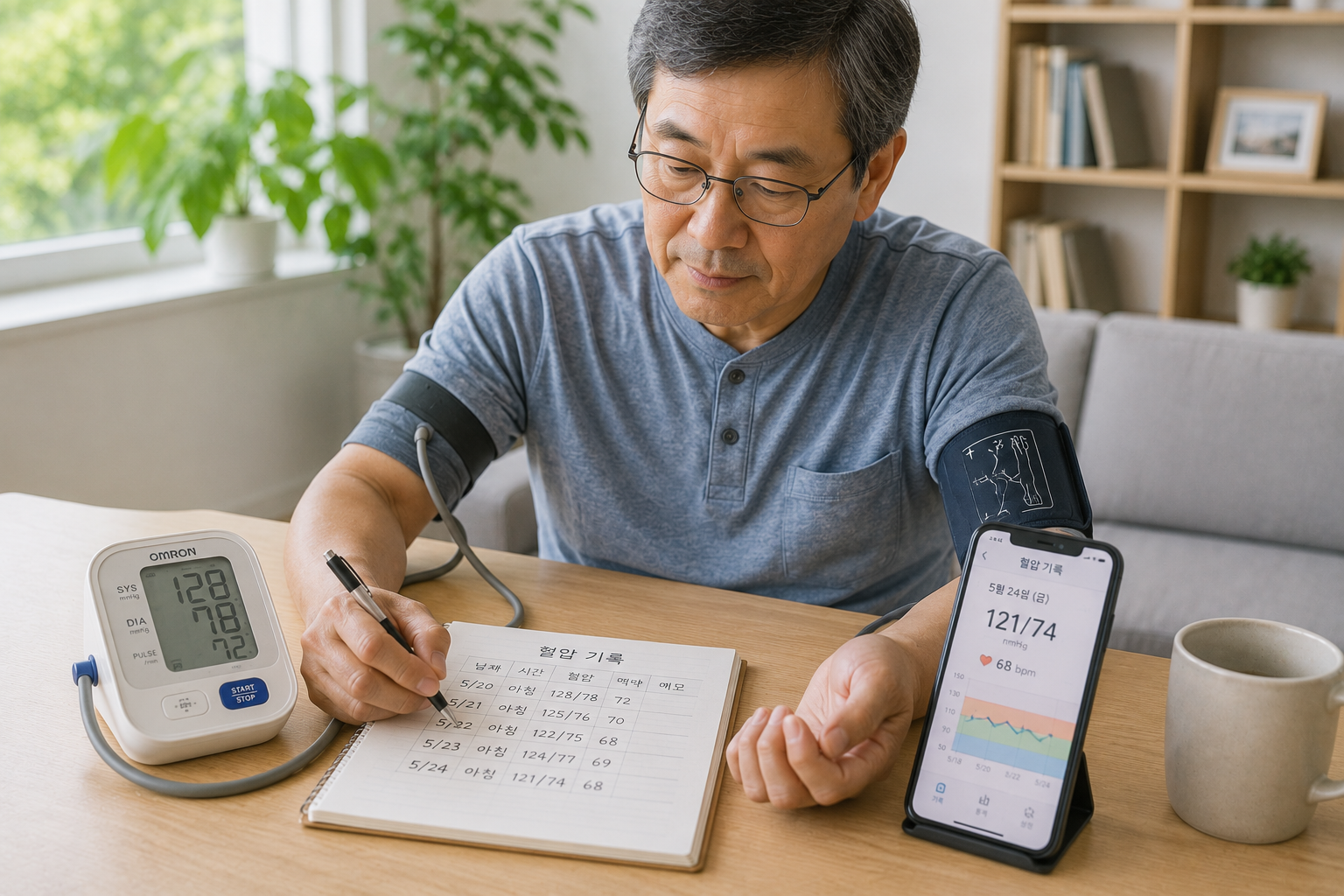
✔ 집에서도 혈압을 정기적으로 측정한다.

✔ 저염식과 규칙적인 운동을 꾸준히 실천한다.

✔ 체중을 적정 수준으로 유지한다.

✔ 금연과 절주를 생활화한다.

✔ 약을 줄이거나 중단하고 싶다면 반드시 담당 의료진과 상담한다.

마무리


혈압약은 평생 먹어야 하는 약이라는 말이 항상 맞는 것은 아닙니다. 생활습관 개선으로 혈압이 안정되어 약을 줄일 수 있는 사람도 있지만, 많은 경우에는 장기간 복용이 심장과 뇌, 신장을 보호하는 가장 안전한 방법이 됩니다.


가장 중요한 것은 인터넷 정보나 주변의 경험담만 믿고 스스로 약을 끊지 않는 것입니다. 혈압은 눈에 띄는 증상이 없어도 혈관에 부담을 줄 수 있는 만큼, 꾸준한 관리와 정기적인 진료가 무엇보다 중요합니다.


오늘부터 혈압을 기록하고 식습관과 운동 습관을 하나씩 실천해 보세요. 작은 변화가 앞으로의 건강을 지키는 가장 큰 시작이 될 수 있습니다.


함께 보면 좋은 글

건강검진에서-혈압·혈당·콜레스테롤이-높다면-대사증후군-증상과-관리법


건강검진에서 혈압·혈당·콜레스테롤이 높다면? 대사증후군 증상과 관리법

건강검진을 받고 나면 혈압, 공복혈당, 중성지방, 콜레스테롤 수치를 확인하게 됩니다. 그런데 각각의 수치가 조금씩 높아도 당장 특별한 증상이 없으면 대수롭지 않게 넘기는 사람이 많습니다.

myview90733.com

지방간-증상-7가지-피곤함이-계속된다면-꼭-확인하세요-방치하면-위험합니다


지방간 증상 7가지, 피곤함이 계속된다면 꼭 확인하세요. 방치하면 위험합니다

건강검진에서 "지방간이 있습니다."라는 말을 들었지만 특별한 증상이 없어 대수롭지 않게 넘기는 사람들이 많습니다. 실제로 지방간은 초기에는 뚜렷한 증상이 거의 없어 '침묵의 질환'이라고

myview90733.com

갱년기인-줄-알았는데…-의외의-질환일-수도-있는-증상-7가지


갱년기인 줄 알았는데… 의외의 질환일 수도 있는 증상 7가지!

"요즘 자꾸 피곤하고 밤에 잠도 잘 오지 않아요." "얼굴이 화끈거리고 이유 없이 짜증이 나는데 갱년기겠죠?" 40~60대 여성이라면 한 번쯤 이런 생각을 해보셨을 것입니다. 실제로 갱년기는 여성이

myview90733.com


Do You Have to Take Blood Pressure Medication for Life? When It Can Be Reduced and When It Should Never Be Stopped

One of the most common questions people ask after being diagnosed with high blood pressure and receiving their first prescription is:


"Do I have to take blood pressure medication for the rest of my life?"


You may have seen claims online such as, "Blood pressure medication is harmful," "Exercise alone can replace medication," or "Taking blood pressure medicine for years will damage your kidneys." Unfortunately, believing these myths and stopping medication without medical advice has caused many people to experience dangerous spikes in blood pressure, sometimes leading to emergency hospitalization.


The truth is that some people need lifelong treatment, while others may be able to reduce or even discontinue medication under a doctor's supervision after making significant lifestyle improvements. The key is never to make that decision on your own.


In this article, we'll explain why blood pressure medication is prescribed, who may be able to reduce it, who should never stop taking it without medical guidance, and what lifestyle habits can help keep blood pressure under control.

Do You Really Have to Take Blood Pressure Medication Forever?

Many people believe that once they start taking blood pressure medication, they will never be able to stop.


However, the answer depends on the individual.


High blood pressure, or hypertension, is usually considered a chronic condition that requires long-term management rather than a permanent cure. Blood pressure medication helps keep your blood pressure within a healthy range, reducing the risk of damage to vital organs such as the heart, brain, kidneys, and blood vessels.


One important point to remember is that your blood pressure may appear normal because the medication is working. Some people mistakenly believe they have recovered and decide to stop taking their medicine. In many cases, their blood pressure rises again within days or weeks.

When Blood Pressure Medication May Be Reduced or Discontinued

In certain situations, doctors may gradually reduce the dosage or even discontinue medication after carefully monitoring blood pressure.

1. Significant Weight Loss

Excess body weight is one of the major contributors to high blood pressure.


People who lose a substantial amount of weight and maintain a healthy body weight often experience noticeable improvements in blood pressure. In some cases, this allows physicians to lower the medication dose.

2. Consistent Physical Activity

Regular aerobic exercise such as brisk walking, cycling, swimming, or jogging can lower blood pressure over time.


The greatest benefits usually appear after several months of consistent exercise rather than after just a few weeks.

3. Major Improvements in Diet

Reducing sodium intake while eating more vegetables, fruits, whole grains, fish, beans, and other heart-healthy foods can significantly improve blood pressure control.


Limiting processed foods, instant meals, salty soups, and heavily seasoned dishes is especially important.

4. Quitting Smoking and Reducing Alcohol

Smoking damages blood vessels, while excessive alcohol consumption can raise blood pressure.


Quitting smoking and limiting alcohol intake not only help control blood pressure but also lower the overall risk of heart disease and stroke.

When You Should Never Stop Blood Pressure Medication on Your Own

There are certain situations in which blood pressure medication should never be discontinued without medical supervision.


You should always consult your healthcare provider if you have any of the following conditions:

  • Your blood pressure frequently remains above 140/90 mmHg.
  • You have a history of a heart attack or angina.
  • You have previously experienced a stroke.
  • You have diabetes or chronic kidney disease.
  • You are older or have a high risk of cardiovascular disease.

Stopping blood pressure medication suddenly may cause a rapid increase in blood pressure, sometimes called rebound hypertension. In severe cases, this can significantly increase the risk of stroke, heart attack, heart failure, or other life-threatening complications.

Five Lifestyle Habits That Help Lower Blood Pressure

1. Reduce Your Salt Intake

Eating less sodium is one of the most effective lifestyle changes for controlling blood pressure.


Try to eat less processed food, avoid overly salty side dishes, and leave some of the soup or broth instead of finishing it.

2. Maintain a Healthy Weight

Even a moderate amount of weight loss can reduce the workload on your heart and help lower your blood pressure.


A healthy body weight also reduces the risk of many other chronic diseases.

3. Exercise Regularly

Aim for at least 150 minutes of moderate-intensity aerobic exercise each week, such as brisk walking, cycling, swimming, or other activities you enjoy.


Regular exercise improves circulation and supports long-term blood pressure control.

4. Get Enough Sleep and Manage Stress

Poor sleep and chronic stress can both contribute to elevated blood pressure.


Maintaining a consistent sleep schedule and finding healthy ways to manage stress—such as meditation, stretching, or spending time outdoors—can make a meaningful difference.

5. Quit Smoking and Limit Alcohol

Smoking causes blood vessels to narrow, while excessive alcohol intake may increase blood pressure.


Quitting smoking and drinking alcohol in moderation are among the most important steps you can take to protect your heart and blood vessels.

Common Questions About Blood Pressure Medication

Q. My blood pressure is normal now. Do I still need to take my medication?


Yes. Your blood pressure may be normal because the medication is working effectively. Never stop taking your medication without consulting your healthcare provider.


Q. Does long-term use of blood pressure medication damage the kidneys?


In most cases, blood pressure medication actually helps protect the kidneys by preventing damage caused by uncontrolled hypertension. Your doctor may recommend regular blood tests to monitor kidney function, but the medication itself is often beneficial rather than harmful.


Q. Can dietary supplements replace blood pressure medication?


No. While some supplements may support overall cardiovascular health, there is no strong scientific evidence that they can replace prescription blood pressure medication. Supplements should only be considered as part of a healthy lifestyle and never as a substitute for prescribed treatment.

Warning Signs That Require Medical Attention

Seek medical care promptly if you experience any of the following symptoms:

  • Severe or persistent headache
  • Sudden dizziness or loss of balance
  • Chest pain or pressure
  • Shortness of breath
  • Blurred vision or sudden vision changes
  • Weakness, numbness, or tingling in the face, arm, or leg

These symptoms may indicate dangerously high blood pressure or another serious cardiovascular condition and should never be ignored.


Blood Pressure Management Checklist

✔ Never stop your blood pressure medication without your doctor's approval.

✔ Check and record your blood pressure regularly at home.

✔ Follow a low-sodium, heart-healthy diet.

✔ Exercise consistently and maintain a healthy body weight.

✔ Avoid smoking and limit alcohol consumption.

✔ Discuss any medication changes with your healthcare provider before making adjustments.

Final Thoughts

The statement that "once you start blood pressure medication, you must take it for life" is not always true.


Some people can reduce or even discontinue their medication after achieving long-term blood pressure control through significant lifestyle improvements. However, many others require long-term treatment to protect their heart, brain, kidneys, and blood vessels from the complications of hypertension.


The most important message is never stop your medication based solely on information found online or advice from friends and family.


High blood pressure is often called the "silent killer" because it can damage your body for years without causing noticeable symptoms.


By monitoring your blood pressure regularly, maintaining healthy daily habits, and working closely with your healthcare provider, you can greatly reduce your risk of serious complications and enjoy a healthier, longer life.


Every healthy choice you make today is an investment in your future well-being.