본문 바로가기
건강

열사병 초기 증상 7가지, 이 증상이 보이면 절대 참지 마세요! 응급처치까지 총정리

by 하늘별 2026. 7. 22.


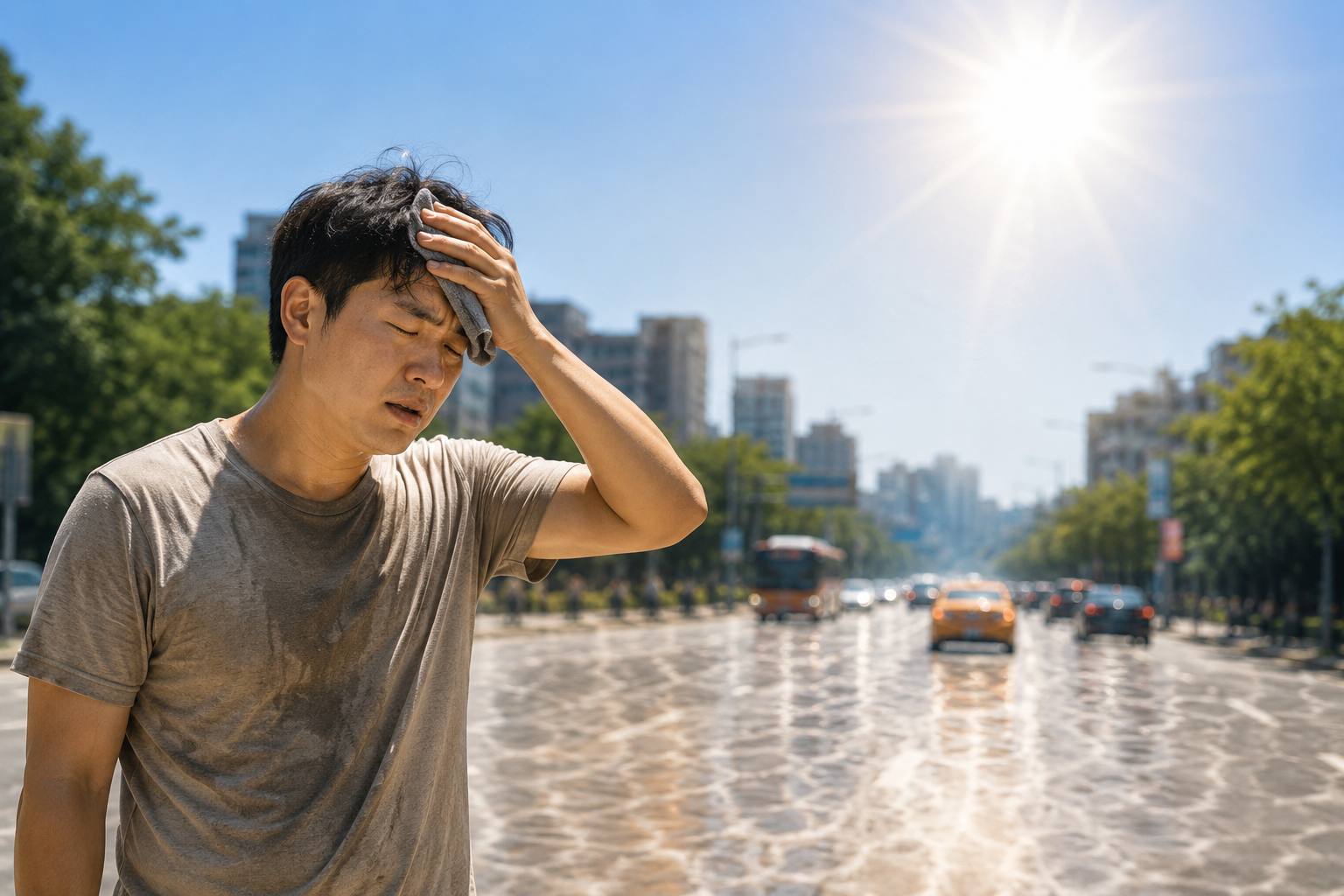
여름철 폭염이 이어지면서 열사병 환자가 빠르게 늘고 있습니다. 많은 사람들이 단순히 '더위를 먹었다'고 생각하고 넘기지만, 열사병은 생명을 위협할 수 있는 응급질환입니다.


특히 야외에서 일하거나 운동하는 사람, 어린이와 노인은 더욱 주의해야 합니다. 아래 증상 중 여러 개가 동시에 나타난다면 즉시 시원한 곳으로 이동하고 응급처치를 시작해야 합니다.

열사병이란?
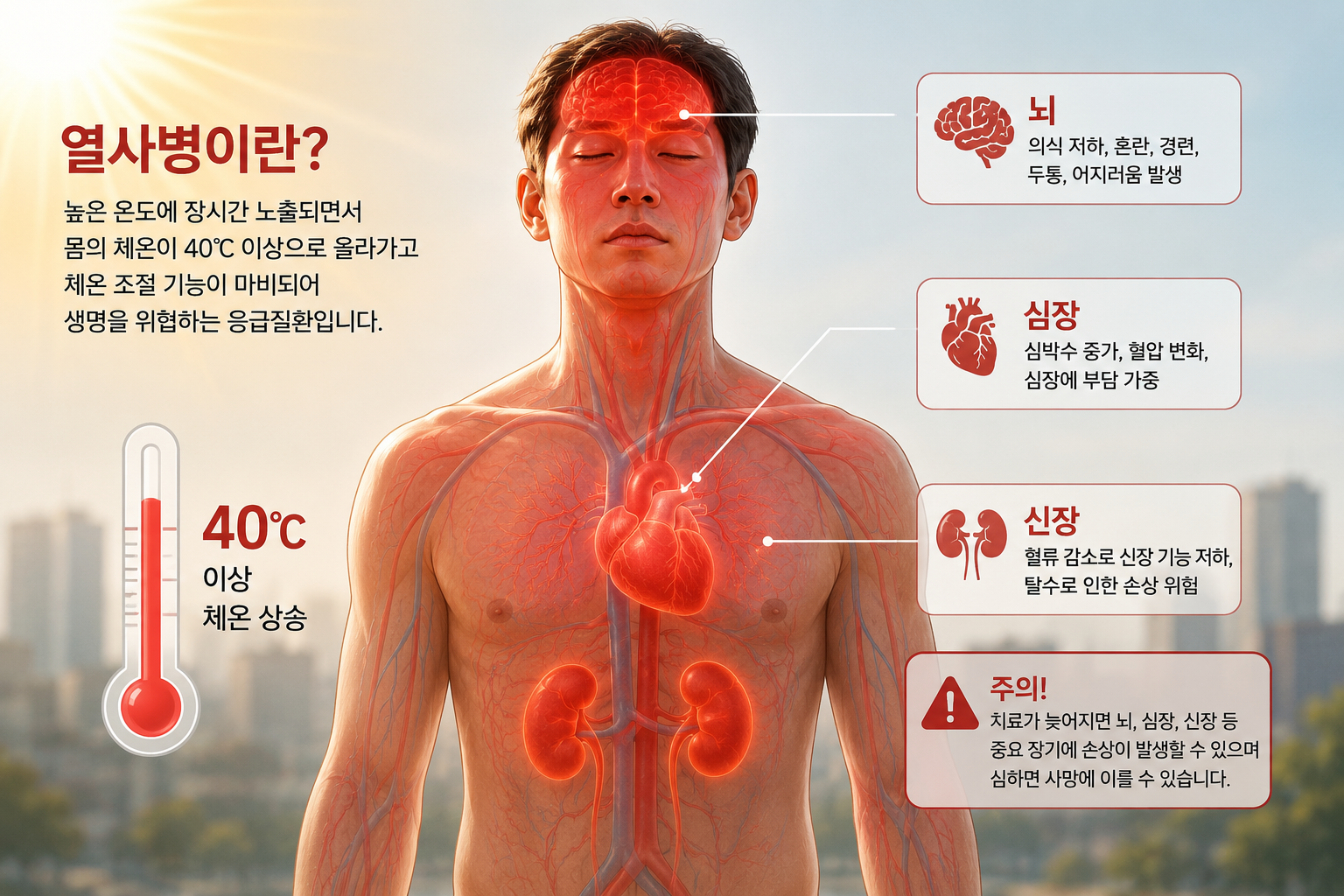
 

열사병은 체온이 40℃ 이상으로 올라가 몸의 체온 조절 기능이 제대로 작동하지 않는 상태입니다.


초기에 대처하지 않으면 의식 저하, 장기 손상, 심하면 생명까지 위험할 수 있습니다.


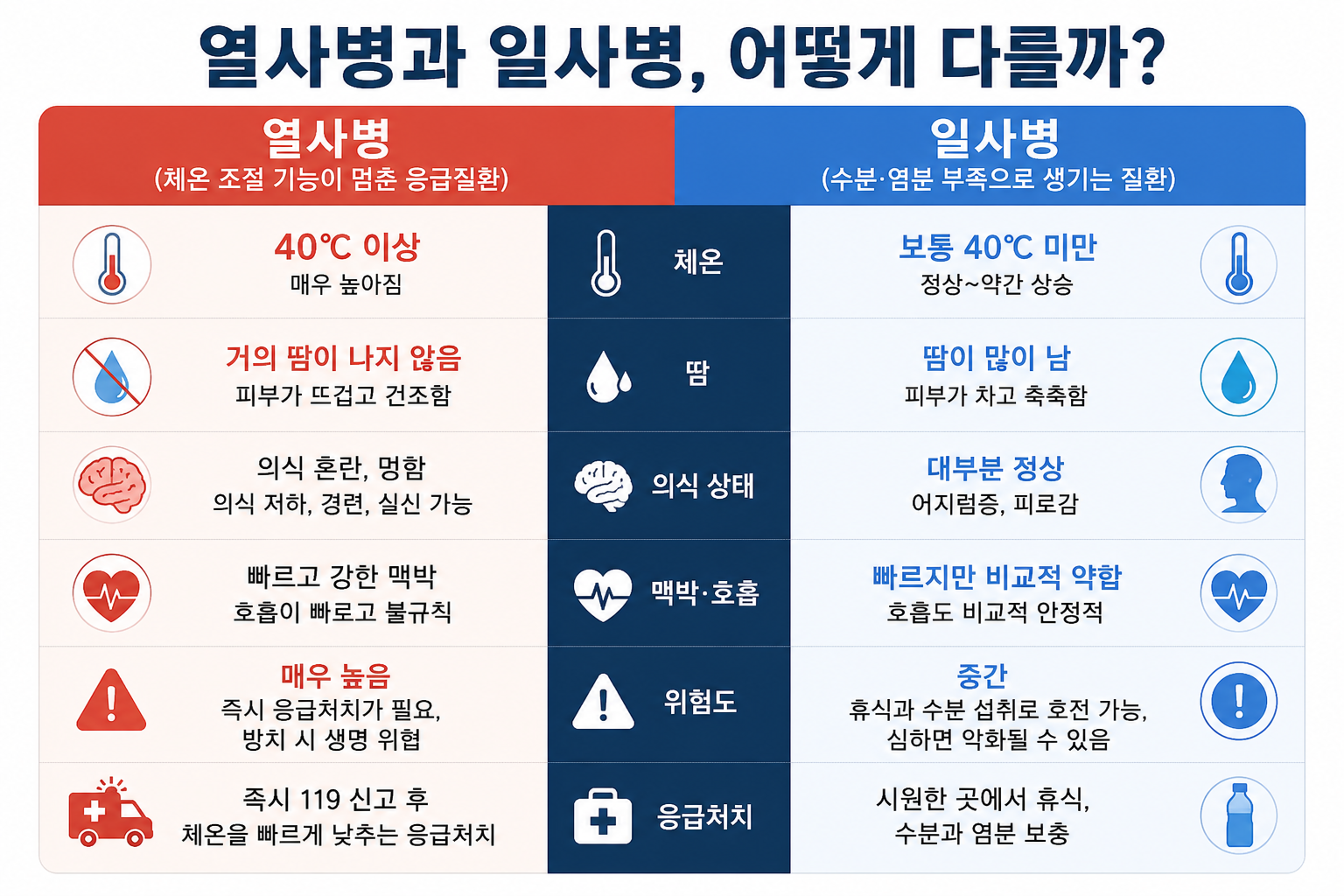
많은 사람들이 헷갈리는 일사병과는 다릅니다. 일사병은 수분과 염분 부족이 중심이라면, 열사병은 체온 조절 기능 자체가 무너진 응급상황입니다.

열사병 초기 증상 7가지

1. 심한 어지럼증

갑자기 눈앞이 흐려지거나 중심을 잡기 어려워집니다.

평소와 다른 심한 어지럼증이 나타난다면 폭염 노출 시간을 먼저 확인해 보세요.

2. 심한 두통

머리가 깨질 듯 아프거나 맥박이 뛰는 듯한 두통이 나타날 수 있습니다.

휴식을 취해도 호전되지 않는다면 주의가 필요합니다.

3. 메스꺼움과 구토

속이 울렁거리거나 구토가 반복되면 탈수가 빠르게 진행될 수 있습니다.

이 단계에서는 충분한 휴식과 냉각이 중요합니다.
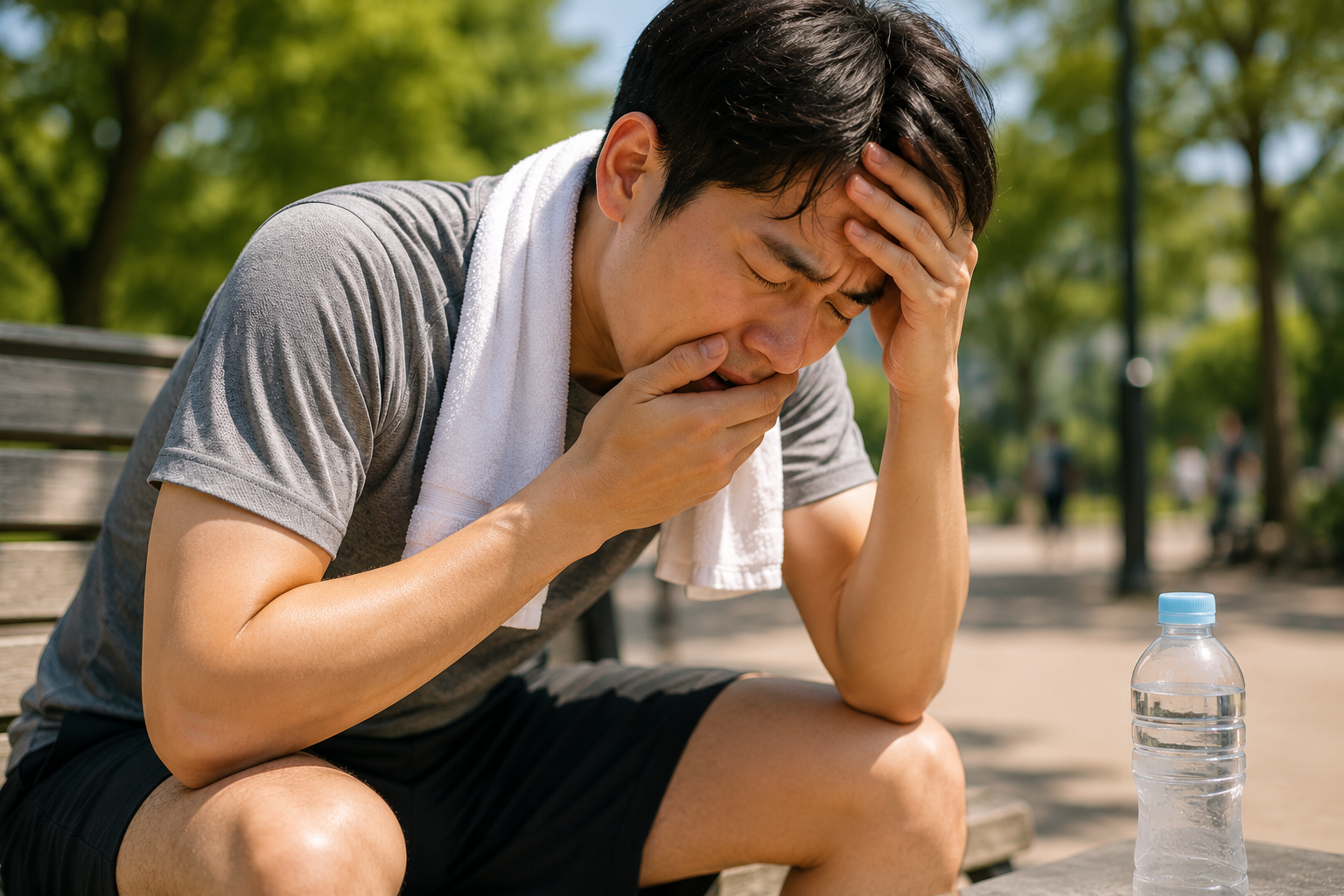
4. 피부가 뜨겁고 건조해짐

땀이 거의 나지 않는데 피부는 매우 뜨겁다면 위험 신호입니다.

열사병의 대표적인 특징 중 하나입니다.

5. 체온이 40℃ 이상 상승

고열이 계속되면서 얼굴이 붉어지고 숨이 가빠질 수 있습니다.

체온이 계속 오르면 즉시 응급조치가 필요합니다.

6. 의식이 흐려짐

말이 느려지거나 질문에 제대로 답하지 못하고 멍한 모습을 보일 수 있습니다.

가벼운 증상으로 생각하면 안 됩니다.

7. 경련 또는 의식 소실

가장 위험한 단계입니다.

즉시 119에 신고하고 전문적인 응급처치를 받아야 합니다.

이런 사람은 특히 조심하세요

 

다음에 해당한다면 폭염 시 각별한 주의가 필요합니다.

  • 65세 이상 고령자
  • 어린이
  • 야외 근로자
  • 등산·러닝 등 야외 운동을 하는 사람
  • 심장질환이나 고혈압 등 만성질환자
  • 음주 후 장시간 야외활동을 하는 사람

열사병 응급처치 방법


증상이 의심되면 다음 순서대로 행동하세요.


① 즉시 그늘이나 에어컨이 있는 곳으로 이동합니다.

② 꽉 끼는 옷을 느슨하게 합니다.

③ 목, 겨드랑이, 사타구니에 얼음팩이나 젖은 수건을 올려 몸을 식힙니다.

④ 의식이 있다면 물이나 이온음료를 조금씩 마시게 합니다.

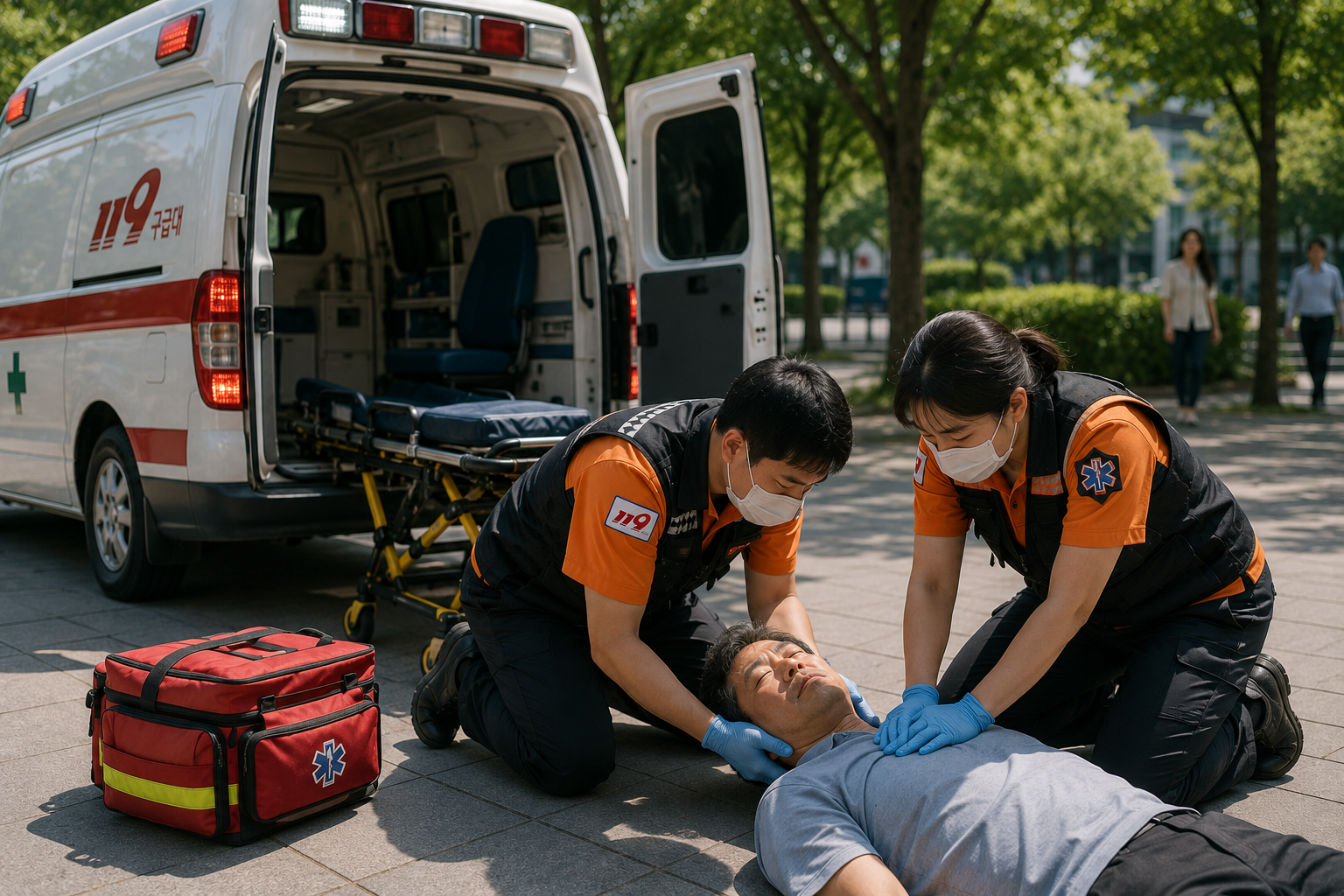
⑤ 의식이 없거나 경련이 있다면 억지로 물을 먹이지 말고 즉시 119에 신고합니다.

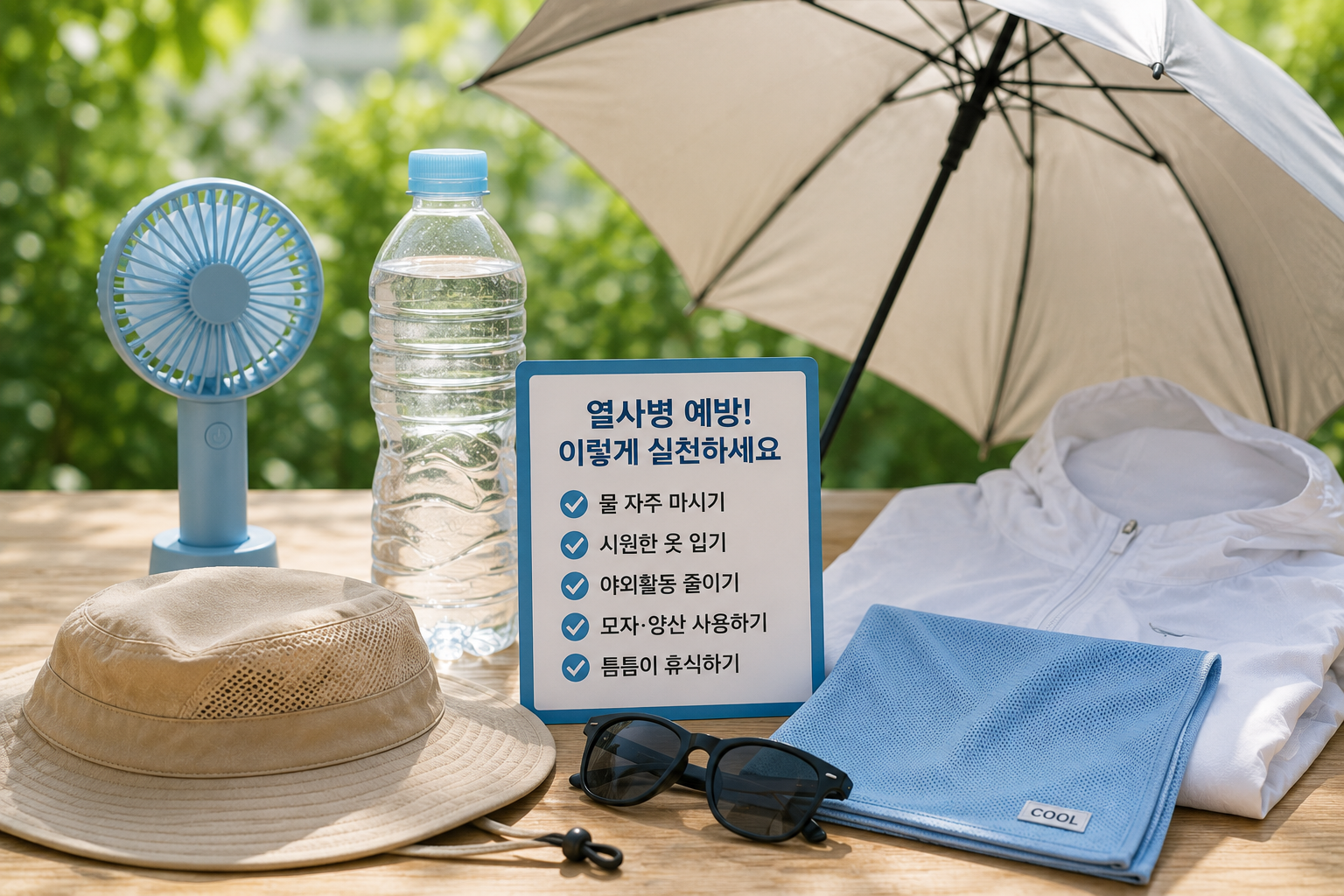
열사병 예방법


열사병은 예방이 가장 중요합니다.

  • 갈증이 없어도 물을 자주 마시기
  • 가장 더운 오후 시간대 야외활동 줄이기
  • 통풍이 잘되는 밝은색 옷 입기
  • 모자와 양산 활용하기
  • 장시간 야외활동 시 30~60분마다 휴식하기
  • 폭염특보가 발효되면 야외 작업 최소화하기

작은 습관 하나가 큰 사고를 막을 수 있습니다.

열사병과 일사병, 어떻게 다를까?
이런 경우에는 바로 119를 부르세요

다음 증상이 있다면 병원을 기다리지 말고 즉시 도움을 요청해야 합니다.

  • 의식을 잃었다.
  • 경련이 발생했다.
  • 체온이 계속 40℃ 이상이다.
  • 응급처치 후에도 호전되지 않는다.
  • 호흡이 불규칙하거나 매우 빠르다.

마무리


열사병은 단순히 더위를 먹는 것과는 다릅니다. 초기 증상을 놓치면 짧은 시간 안에 상태가 급격히 악화될 수 있습니다.


폭염이 계속되는 여름에는 물을 충분히 마시고, 무리한 야외활동을 피하는 것만으로도 위험을 크게 줄일 수 있습니다.


오늘 소개한 7가지 초기 증상을 기억해 두고, 가족이나 부모님과도 꼭 공유해 보세요. 작은 관심이 소중한 생명을 지키는 첫걸음이 될 수 있습니다.


7 Early Signs of Heat Stroke: Don't Ignore These Symptoms! First Aid Guide Included

As extreme summer heat continues, the number of heat stroke cases rises every year. Many people assume they are simply "overheated," but heat stroke is a life-threatening medical emergency that requires immediate action.


Older adults, outdoor workers, athletes, hikers, and anyone exposed to high temperatures for long periods are at greater risk. If you notice several of the symptoms below, move to a cool place immediately and begin first aid without delay.

What Is Heat Stroke?

Heat stroke is a serious condition in which the body's core temperature rises above 40°C (104°F), causing the body's natural cooling system to fail.


Without prompt treatment, it can lead to brain damage, organ failure, or even death.


Many people confuse heat stroke with heat exhaustion. Heat exhaustion is mainly caused by dehydration and loss of electrolytes, while heat stroke is a true medical emergency in which the body's temperature regulation completely breaks down.

7 Early Signs of Heat Stroke

1. Severe Dizziness

You may suddenly feel lightheaded, lose your balance, or feel as though the world is spinning.

If severe dizziness develops after spending time in hot weather, do not ignore it.

2. Intense Headache

A throbbing or severe headache is one of the most common early warning signs.

If the pain does not improve after resting in a cool place, seek medical attention.

3. Nausea and Vomiting

Feeling sick to your stomach or repeated vomiting may indicate that dehydration is becoming severe.

Cooling the body and resting immediately are essential.

4. Hot, Dry Skin

One of the classic signs of heat stroke is skin that feels very hot but produces little or no sweat.

This symptom should never be ignored during extreme heat.

5. Body Temperature Above 40°C (104°F)

High fever, flushed skin, and rapid breathing often appear as body temperature continues to rise.

Immediate cooling and emergency treatment are necessary.

6. Confusion or Altered Mental State

The person may seem confused, respond slowly, slur their speech, or appear unusually sleepy.

Mental changes are a serious warning sign of heat stroke.

7. Seizures or Loss of Consciousness

This is the most dangerous stage.

Call emergency medical services immediately and begin emergency first aid while waiting for professional help.

Who Is at Higher Risk?

Anyone can develop heat stroke, but certain groups face a much greater risk during extreme heat.

  • Adults aged 65 and older
  • Outdoor workers
  • Runners, hikers, and people exercising outside
  • People with heart disease, high blood pressure, or other chronic illnesses
  • Individuals who spend long hours in direct sunlight
  • People who drink alcohol before outdoor activities

If you belong to one of these groups, take extra precautions whenever temperatures are high.

First Aid for Heat Stroke

If heat stroke is suspected, act quickly. Every minute matters.

1. Move to a Cool Place

Take the person indoors, into the shade, or to an air-conditioned area as soon as possible.

2. Loosen Tight Clothing

Remove or loosen unnecessary clothing to help release body heat.

3. Cool the Body Immediately

Place ice packs or cold, wet towels on the neck, armpits, and groin. These areas help lower body temperature more efficiently.

4. Give Water Only If the Person Is Fully Conscious

If the person is awake and able to swallow safely, offer cool water or an electrolyte drink in small sips.

Never force fluids if the person is confused, unconscious, or having seizures.

5. Call Emergency Services

If symptoms do not improve quickly, or if the person loses consciousness, call emergency medical services immediately.

How to Prevent Heat Stroke

The best treatment for heat stroke is prevention.

  • Drink water regularly, even if you are not thirsty.
  • Avoid outdoor activities during the hottest hours of the day.
  • Wear lightweight, loose-fitting, and light-colored clothing.
  • Use a hat or umbrella when outside.
  • Take a break every 30 to 60 minutes during outdoor work or exercise.
  • Check local heat advisories before spending long periods outdoors.

Simple daily habits can greatly reduce your risk of heat-related illness.


Heat Stroke vs. Heat Exhaustion

ConditionHeat StrokeHeat Exhaustion

Body Temperature Above 40°C (104°F) Usually below 40°C (104°F)
Sweating Little or no sweating Heavy sweating is common
Mental Status Confusion, disorientation, or unconsciousness Usually alert and responsive
Risk Level Medical emergency Serious but generally less dangerous if treated promptly


Although the two conditions may seem similar, heat stroke is far more dangerous and requires immediate medical attention.


When Should You Call Emergency Services?

Do not wait if any of the following signs appear.

  • The person loses consciousness.
  • Seizures develop.
  • Body temperature remains above 40°C (104°F).
  • Symptoms do not improve after immediate cooling.
  • Breathing becomes rapid, difficult, or irregular.
  • The person is confused or unable to respond normally.

Prompt medical treatment can prevent permanent organ damage and save a life.


Final Thoughts

Heat stroke is much more than simply feeling overheated. Once the body's cooling system fails, the condition can worsen rapidly and become life-threatening within a short time.


Fortunately, heat stroke is largely preventable. Staying hydrated, avoiding prolonged exposure to extreme heat, wearing appropriate clothing, and taking regular breaks outdoors can significantly reduce the risk.


Remember the seven early warning signs discussed in this guide and share them with your family, friends, and older loved ones. Recognizing the symptoms early and responding quickly could make the difference between a full recovery and a medical emergency.


This summer, stay cool, stay hydrated, and put your health first.