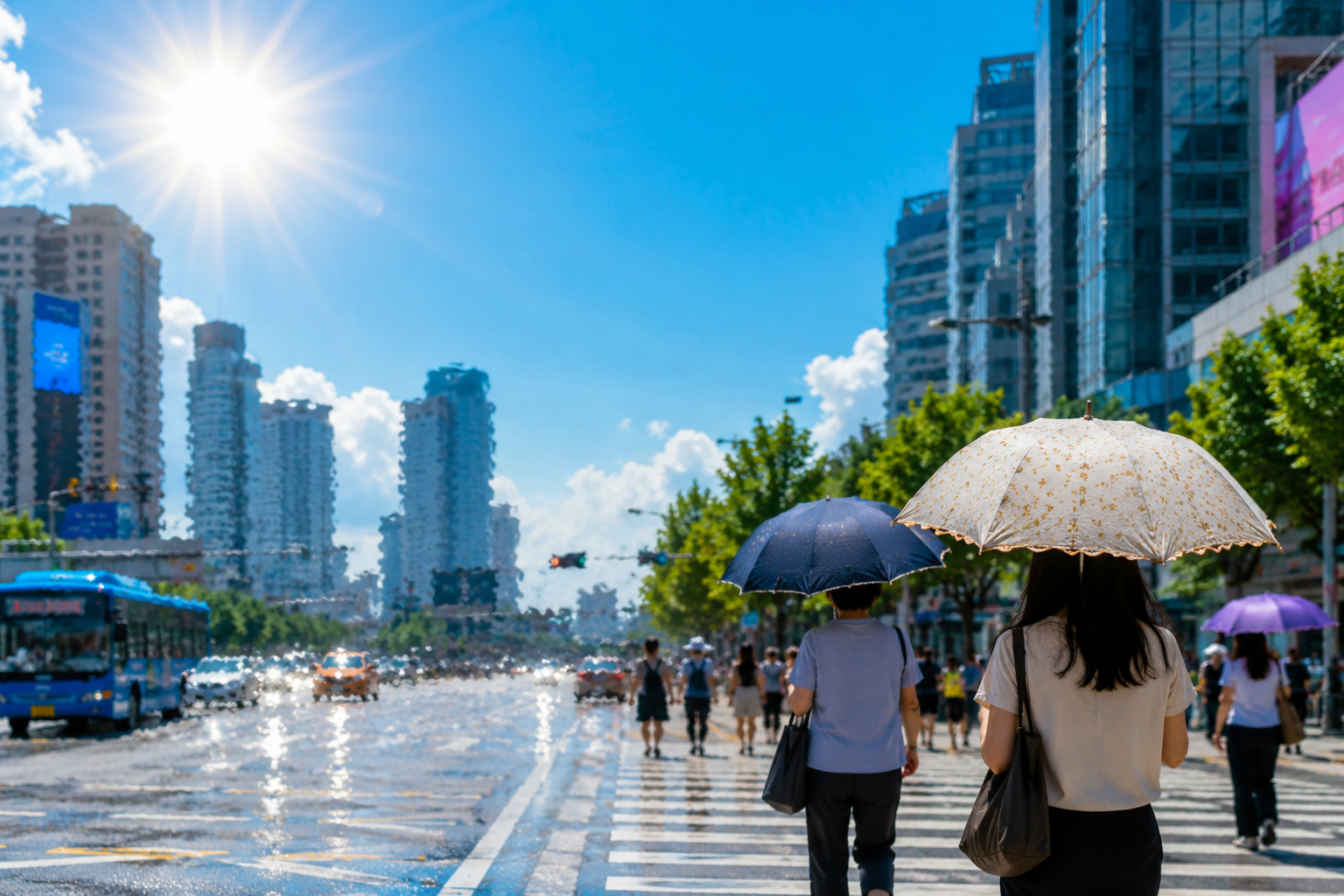
폭염이 시작되면 건강한 사람도 안심할 수 없습니다
한여름 폭염이 이어지면 많은 사람들이 단순히 "덥다" 정도로 생각하기 쉽습니다. 하지만 기온이 33~35℃ 이상으로 오르는 날이 계속되면 우리 몸은 체온을 낮추기 위해 평소보다 훨씬 많은 에너지를 사용하게 됩니다.
이 과정에서 땀을 많이 흘리면서 수분과 전해질이 빠져나가고, 혈액순환과 심장 기능에도 부담이 커집니다. 특히 고혈압이나 당뇨병 같은 만성질환이 있는 사람은 혈압과 혈당이 평소보다 크게 흔들릴 수 있어 각별한 주의가 필요합니다.
여름철 응급실을 찾는 환자 중에는 단순한 열사병뿐 아니라 혈압 이상, 혈당 이상, 심혈관 질환 악화로 치료를 받는 사례도 적지 않습니다. 폭염은 단순한 불편함이 아니라 건강을 위협하는 중요한 위험 요인이라는 점을 기억해야 합니다.
폭염이 혈압에 미치는 영향
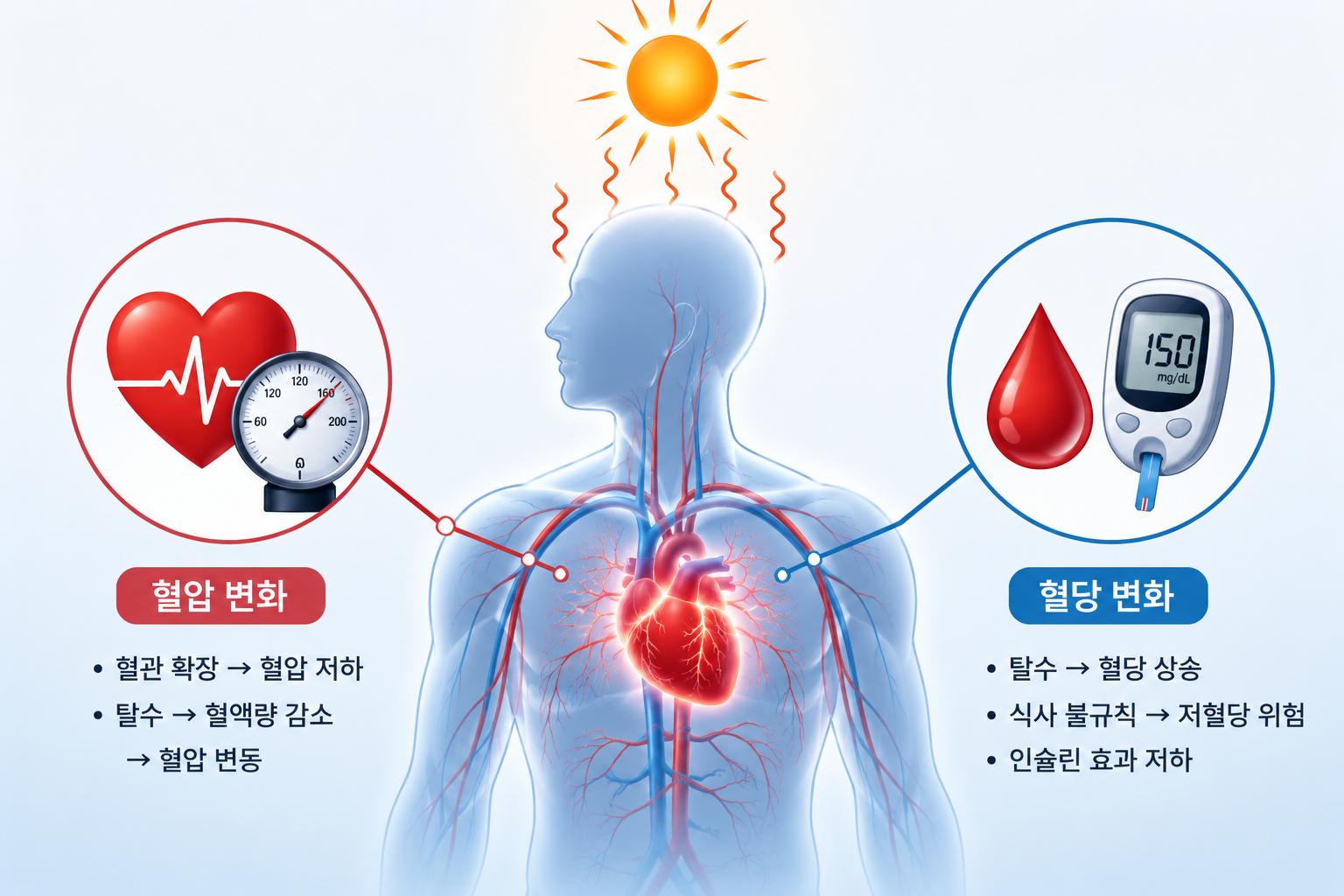
더운 날씨에는 체온을 낮추기 위해 피부 혈관이 확장됩니다. 혈관이 넓어지면 혈압이 일시적으로 낮아질 수 있으며, 많은 땀을 흘려 탈수가 생기면 혈액량이 감소해 어지럼증이나 실신 위험이 높아집니다.
반대로 탈수가 심해질 경우 혈액이 진해지고 심장은 더 강하게 혈액을 순환시켜야 합니다. 이로 인해 심장에 부담이 커지고 심혈관 질환 위험도 증가할 수 있습니다.
다음과 같은 증상이 반복된다면 혈압 변화를 의심해 볼 필요가 있습니다.
- 갑자기 일어설 때 어지럽다.
- 심장이 평소보다 빨리 뛴다.
- 쉽게 피로하다.
- 두통이 자주 생긴다.
- 숨이 차거나 가슴이 답답하다.
- 이유 없이 식은땀이 난다.
폭염이 혈당을 흔드는 이유

당뇨병 환자는 폭염 기간 동안 혈당 관리가 더욱 어려워질 수 있습니다.
탈수가 생기면 혈액 속 포도당 농도가 높아질 수 있고, 입맛이 떨어져 식사를 거르거나 늦게 하면 저혈당 위험도 커집니다. 또한 더운 날씨에는 평소보다 활동량과 식사 패턴이 달라져 혈당 변동 폭이 커질 수 있습니다.
인슐린을 사용하는 경우에는 보관에도 주의해야 합니다. 높은 온도에 장시간 노출되면 약효가 떨어질 수 있으므로 직사광선을 피하고 적정 온도를 유지하는 것이 중요합니다.
다음 증상이 나타난다면 혈당을 확인해 보는 것이 좋습니다.
- 심한 갈증
- 입이 계속 마른다.
- 소변량이 평소와 다르다.
- 손이 떨린다.
- 식은땀이 난다.
- 집중력이 떨어진다.
- 심한 피로감이 계속된다.
특히 조심해야 하는 사람

폭염은 누구에게나 위험하지만 다음과 같은 사람은 더욱 세심한 관리가 필요합니다.
- 고혈압 환자
- 당뇨병 환자
- 심장질환 환자
- 신장질환 환자
- 65세 이상 고령층
- 비만인
- 야외 근무자
- 임산부
이러한 고위험군은 폭염이 계속되는 기간에는 충분한 휴식과 수분 섭취를 생활화하는 것이 좋습니다.
여름철 복용하는 약도 확인하세요
고혈압이나 당뇨병 치료를 위해 복용하는 약 중 일부는 탈수와 혈압 변화에 영향을 줄 수 있습니다.
대표적으로 이뇨제는 체내 수분 배출을 늘릴 수 있고, 일부 혈압약은 더운 환경에서 혈압을 더 낮출 수 있습니다. 또한 혈당강하제를 복용하는 사람은 식사를 거르면 저혈당 위험이 커질 수 있습니다.
다만 약을 임의로 중단하거나 용량을 조절해서는 안 됩니다. 몸 상태가 평소와 다르다고 느껴질 경우에는 의료진과 상담하는 것이 가장 안전합니다.
폭염 속 건강을 지키는 8가지 생활수칙
① 갈증이 없어도 물을 조금씩 자주 마시기
② 오전 11시부터 오후 5시까지 장시간 야외활동 피하기
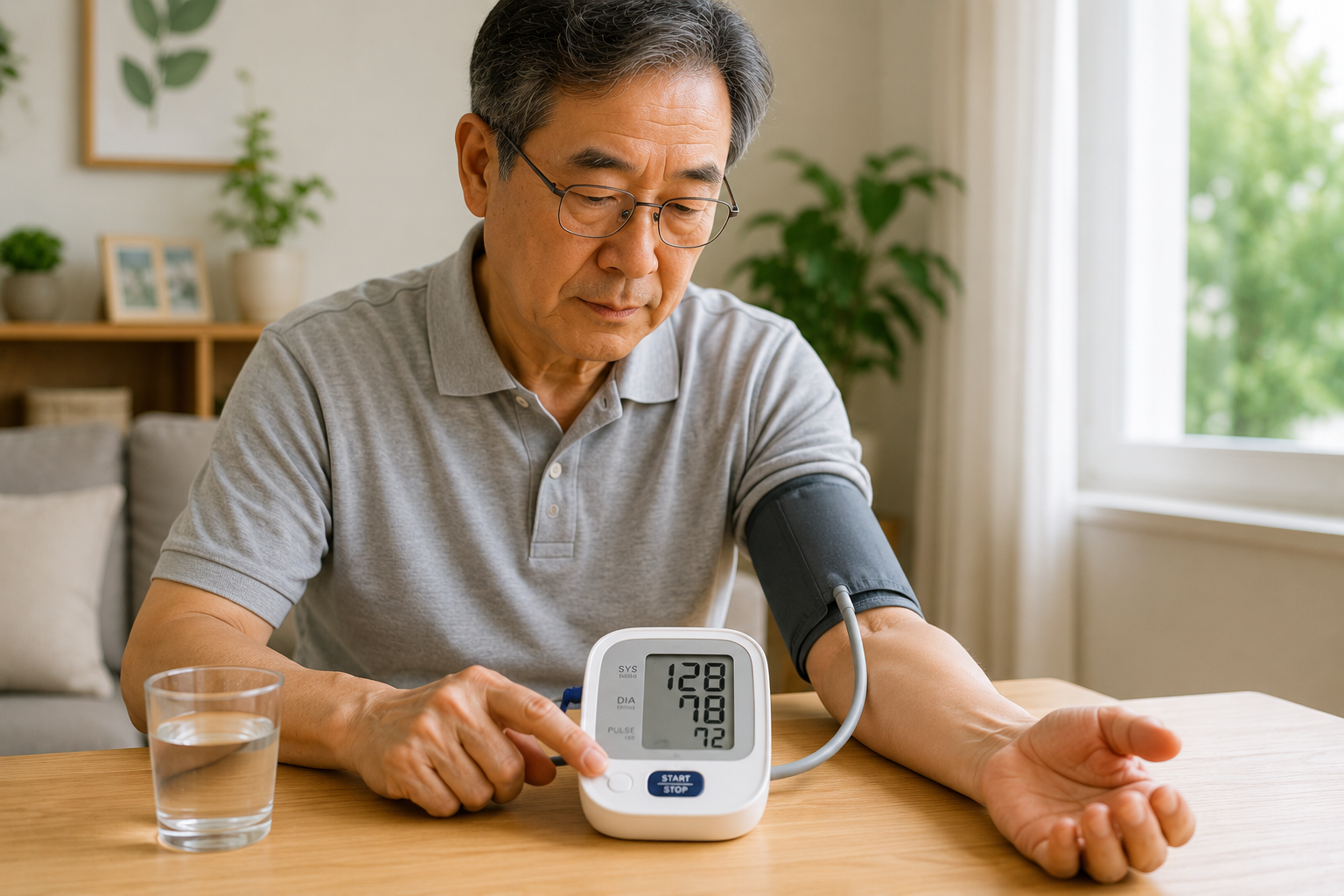
③ 혈압과 혈당을 평소보다 자주 확인하기
④ 술과 카페인은 과도하게 마시지 않기
⑤ 에어컨은 실내외 온도 차이가 너무 크지 않게 유지하기
⑥ 통풍이 잘되는 밝은색 옷 입기
⑦ 규칙적으로 식사하고 끼니 거르지 않기
⑧ 충분한 수면으로 몸의 회복력 유지하기
작은 생활습관 하나가 여름철 건강을 지키는 가장 좋은 예방법이 될 수 있습니다.
이런 증상이 나타나면 즉시 진료를 받아야 합니다

다음과 같은 증상이 있다면 단순한 더위로 생각해서는 안 됩니다.
- 심한 가슴 통증
- 숨쉬기 힘들 정도의 호흡곤란
- 의식이 흐려지거나 쓰러짐
- 반복되는 실신
- 혈당이 매우 높거나 매우 낮은 상태가 지속됨
- 한쪽 팔이나 다리에 힘이 빠짐
- 말이 어눌해지는 증상
이러한 증상은 심근경색이나 뇌졸중 등 응급질환의 신호일 수 있으므로 즉시 119 또는 가까운 응급의료기관의 도움을 받아야 합니다.
폭염을 가볍게 생각하지 마세요

폭염은 단순히 더운 날씨가 아니라 우리 몸의 혈압과 혈당을 크게 흔들 수 있는 환경입니다. 특히 고혈압이나 당뇨병 같은 만성질환이 있는 사람은 작은 탈수도 건강에 큰 영향을 줄 수 있습니다.
올여름에는 충분한 수분 섭취와 규칙적인 식사, 적절한 실내 온도 유지, 혈압과 혈당의 꾸준한 확인을 생활화해 보세요. 무심코 지나칠 수 있는 작은 건강 신호를 놓치지 않는 것이 가장 좋은 예방법입니다.
건강은 특별한 순간이 아니라 매일의 작은 습관에서 지켜집니다. 폭염이 이어지는 올여름, 나와 가족의 건강을 위해 오늘부터 생활습관을 한 번 점검해 보시기 바랍니다.
함께 보면 좋은 글
열사병-초기-증상-7가지-이-증상이-보이면-절대-참지-마세요-응급처치까지-총정리
열사병 초기 증상 7가지, 이 증상이 보이면 절대 참지 마세요! 응급처치까지 총정리
여름철 폭염이 이어지면서 열사병 환자가 빠르게 늘고 있습니다. 많은 사람들이 단순히 '더위를 먹었다'고 생각하고 넘기지만, 열사병은 생명을 위협할 수 있는 응급질환입니다. 특히 야외에서
myview90733.com
Can Extreme Heat Disrupt Your Blood Pressure and Blood Sugar? Essential Summer Health Tips for People with Hypertension and Diabetes
Extreme Heat Is More Than Just an Uncomfortable Summer Day
When a heat wave arrives, many people simply think of it as an inconvenience. However, when temperatures remain above 33–35°C (91–95°F) for several days, your body has to work much harder to regulate its internal temperature.
As your body sweats to cool itself down, it loses large amounts of water and electrolytes. This process can place extra strain on your circulation and cardiovascular system. For people living with chronic conditions such as hypertension or diabetes, these changes may lead to significant fluctuations in blood pressure and blood sugar.
During the summer, emergency departments often see not only patients suffering from heat-related illnesses but also those experiencing worsening blood pressure, unstable blood sugar levels, heart problems, and kidney complications. Extreme heat is not merely uncomfortable—it is a serious health risk that should never be underestimated.
How Extreme Heat Affects Blood Pressure
High temperatures cause the blood vessels near the surface of your skin to widen so that your body can release heat more effectively. While this helps cool the body, it can also temporarily lower blood pressure.
Heavy sweating may also reduce blood volume through dehydration, increasing the risk of dizziness, weakness, and even fainting.
If dehydration becomes more severe, the blood becomes more concentrated. As a result, the heart must work harder to circulate blood throughout the body, increasing stress on the cardiovascular system and potentially raising the risk of heart-related complications.
Pay close attention if you experience any of the following symptoms repeatedly:
- Dizziness when standing up
- A faster-than-normal heartbeat
- Unusual fatigue
- Frequent headaches
- Shortness of breath or chest discomfort
- Cold sweats without an obvious reason
Why Blood Sugar Becomes More Difficult to Control
People with diabetes often find it more challenging to maintain stable blood sugar levels during periods of extreme heat.
Dehydration can increase the concentration of glucose in the bloodstream, while poor appetite or skipped meals may lead to episodes of low blood sugar. Changes in daily routines, physical activity, and eating habits during hot weather can also contribute to larger blood sugar fluctuations.
People who use insulin should also pay close attention to storage conditions. Insulin exposed to excessive heat or direct sunlight for extended periods may lose its effectiveness. It should always be stored according to the recommended temperature guidelines.
The following symptoms may indicate abnormal blood sugar levels and should not be ignored:
- Excessive thirst
- Persistent dry mouth
- Noticeable changes in urination
- Shaking hands
- Cold sweats
- Difficulty concentrating
- Severe or persistent fatigue
Who Is at Higher Risk During a Heat Wave?
Extreme heat can affect anyone, but certain groups face a much higher risk of serious health problems and should take extra precautions.
These include:
- People with high blood pressure
- People with diabetes
- Individuals with heart disease
- People with kidney disease
- Adults aged 65 and older
- People with obesity
- Outdoor workers
- Pregnant women
If you belong to one of these high-risk groups, make it a priority to stay hydrated, avoid prolonged exposure to the sun, and rest regularly throughout the day.
Pay Attention to the Medications You Take
Some medications used to treat chronic diseases can influence how your body responds to extreme heat.
For example, diuretics may increase fluid loss, making dehydration more likely. Certain blood pressure medications can cause blood pressure to drop further in hot environments. In addition, people taking diabetes medications may have a higher risk of hypoglycemia if they skip meals during hot weather.
However, you should never stop taking your prescribed medications or adjust the dosage on your own. If you notice unusual symptoms or feel different from your normal condition, consult your healthcare provider before making any changes.
Eight Healthy Habits to Stay Safe During Extreme Heat
- Drink water regularly, even if you do not feel thirsty.
- Avoid prolonged outdoor activities between 11:00 a.m. and 5:00 p.m.
- Check your blood pressure and blood sugar more frequently than usual.
- Limit alcohol and excessive caffeine consumption.
- Keep indoor temperatures comfortable and avoid large temperature differences between indoors and outdoors.
- Wear lightweight, breathable, light-colored clothing.
- Eat regular, balanced meals without skipping meals.
- Get enough sleep so your body can recover from the heat.
Simple daily habits can make a significant difference in protecting your health during the hottest days of summer.
Seek Immediate Medical Attention If You Experience These Symptoms
Do not dismiss the following symptoms as simply being caused by hot weather. They may be warning signs of a serious medical emergency.
- Severe chest pain
- Difficulty breathing or shortness of breath
- Confusion or loss of consciousness
- Repeated fainting
- Extremely high or extremely low blood sugar that does not improve
- Sudden weakness or numbness in one arm or one leg
- Slurred speech or difficulty speaking
These symptoms may indicate life-threatening conditions such as a heart attack or stroke. If they occur, call your local emergency medical services or go to the nearest emergency department immediately.
Don't Underestimate Extreme Heat
Extreme heat is much more than an uncomfortable summer inconvenience. It can significantly affect your blood pressure and blood sugar, placing extra stress on your heart, blood vessels, and other vital organs. Even mild dehydration can become a serious health concern, especially for people living with hypertension, diabetes, or other chronic illnesses.
This summer, make hydration, regular meals, comfortable indoor temperatures, and routine blood pressure and blood sugar monitoring part of your daily habits. Paying attention to small changes in your body can help prevent major health problems before they occur.
Good health is built through consistent daily habits rather than one-time efforts. As temperatures continue to rise, take a few moments each day to care for yourself and your loved ones. Staying prepared and making smart choices can help you enjoy a healthier and safer summer.
'건강' 카테고리의 다른 글
| 혈압약 평생 먹어야 할까? 끊어도 되는 경우와 절대 끊으면 안 되는 경우 총정리 (0) | 2026.07.24 |
|---|---|
| 갱년기인 줄 알았는데… 의외의 질환일 수도 있는 증상 7가지! (0) | 2026.07.23 |
| 열사병 초기 증상 7가지, 이 증상이 보이면 절대 참지 마세요! 응급처치까지 총정리 (0) | 2026.07.22 |
| 베트남·일본 여행 전 꼭 확인! 홍역 증상부터 예방접종까지 총정리 (0) | 2026.07.21 |
| 건강 때문에 찾는 사람이 늘었다! 전국 맨발 걷기 명소 TOP 7, 올여름 꼭 걸어봐야 할 황톳길 추천 (0) | 2026.07.20 |